Before dispatch
An analyst verifies the threat on live video, so the call is real, specific, and fast: description, location, weapon, vehicle, plate, and direction of travel. Sirens and a live talk-down can start before officers arrive.
When a call comes from a Steadfast campus, it comes with verified facts: what was seen, where, the weapon, the vehicle and plate, and which way they went. During the incident, responding officers can get live video, camera-to-camera tracking, and door status from the analysts watching every feed. Every minute counts, and nobody should walk into a school without knowing what's inside.
A trained analyst confirms every alert on live video before anyone is dispatched, then stays on it with your officers until it's over. Times below follow the parking-lot example on our home page.
An analyst verifies the threat on live video, so the call is real, specific, and fast: description, location, weapon, vehicle, plate, and direction of travel. Sirens and a live talk-down can start before officers arrive.
Analysts follow the person camera to camera and relay updates. Where the district's plan allows, officers can get live video of the cameras that matter.
Know which doors are locked, where the person was last seen, and what's behind the next door, with camera maps and floor plans prepared ahead of time.
Video and a time-stamped event log are preserved for the investigation, the after-action review, and the district.
A person has already confirmed it on video. Officers hear what was seen, where, and when, not a guess from a panicked caller.
During an active incident, the cameras that matter can be shared with responding officers under the district's plan.
Analysts and PTZ cameras follow a person across the lot and through the building and call out every move.
Know which exterior doors are locked and whether the building is in lockdown before you reach the entrance.
Camera locations, entrances, and floor plans prepared with the district ahead of time, ready when a call comes in.
Relevant video, plate reads, and a time-stamped event log are retrieved and preserved for follow-up and prosecution.
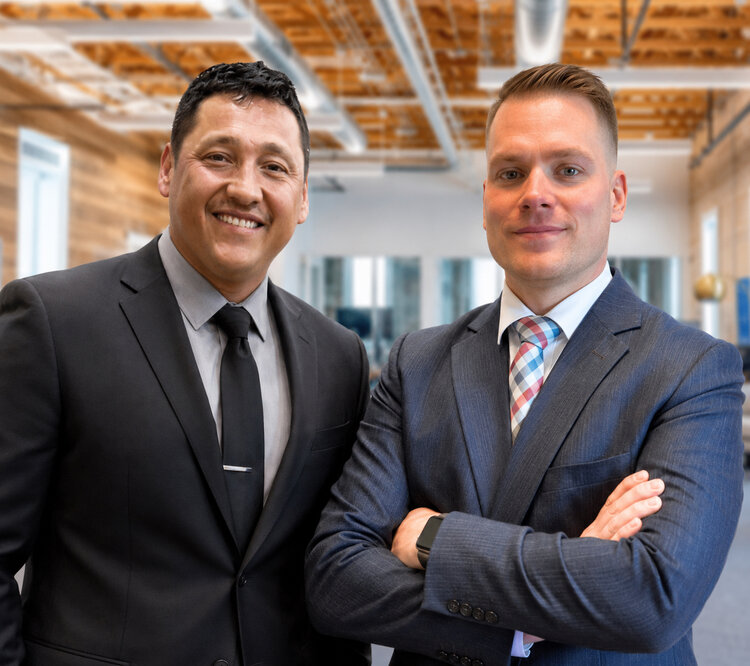
Steadfast is led by two active officers with the Harnett County Sheriff's Office. Leo Castellanos is a criminal investigator and a retired U.S. Army Special Operations veteran. Matt Jones is a deputy and field training officer who founded Freedom Tech in 2010. We build what we'd want to have on the way to a school.
The first question boards and parents ask is whether police can watch school cameras. The answer: only when an incident calls for it, only under rules the district sets, and every view is logged.
Steadfast runs in Freedom Tech's Network & Security Operations Center, which already supports public-safety technology. Where deployed and authorized, integrations can support CAD and dispatch, 911 and emergency communications centers, real-time crime center (RTCC) platforms, and LPR networks. Specific integrations depend on the participating agency, platform, permissions, and agreement.
No. Steadfast gives the people already on your campus earlier, verified information so they can act faster. Analysts watch every feed at once, which no person on site can do, and hand your team a clear picture: what, where, and which way.
Alerts reach an analyst within seconds; about five seconds from detection to review is typical. Actual timing depends on camera placement, configuration, and your district's approved response plan, which we set up together.
Your playbook decides who gets called. Analysts can relay verified details to 911, including a description, location, vehicle, plate, and direction of travel. Where deployed and authorized, integrations can support CAD, dispatch, and real-time crime center workflows; specifics depend on the agency and platform.
Yes. Analysts can speak directly to someone on campus through speakers on your lots, fields, and entrances, and set off sirens and strobes. After hours, AI can play an automated warning the moment someone climbs a fence or lingers by a door. When each is used follows your district's approved response plan.
Only when an incident calls for it. Live sharing with responding officers starts when an incident triggers it under your district's playbook, covers that incident and the cameras involved, and ends when the incident does. Your district decides which agencies are connected, by written agreement, and every view is logged. There is no standing, always-on access. How responders use Steadfast.
Per your playbook, the SRO gets the alert with a photo, the location, and what the analyst confirmed on video, then live updates as the analyst tracks the situation. The SRO knows what they're walking into before they get there.
Whether you're advising a district or protecting the schools in your jurisdiction, we'll walk you through how Steadfast hands information to responders, and how it can fit your agency.
Our free guide to proactive campus safety, with a letter from our founders, stories from a Steadfast campus, and tools you can use with your team this week.